Many citizens feel disconnected from decision-making processes, while critical grassroots structures intended to promote participation remained under resourced and, in many cases, inactive, according to research by the Ghana Center for Democratic Development (CDD-Ghana).
The research established a clear gap between formal structures and actual practice, with issues such as political interference, weak accountability systems, limited financial autonomy and low citizen engagement affecting the effectiveness of Metropolitan, Municipal and District Assemblies (MMDAs).
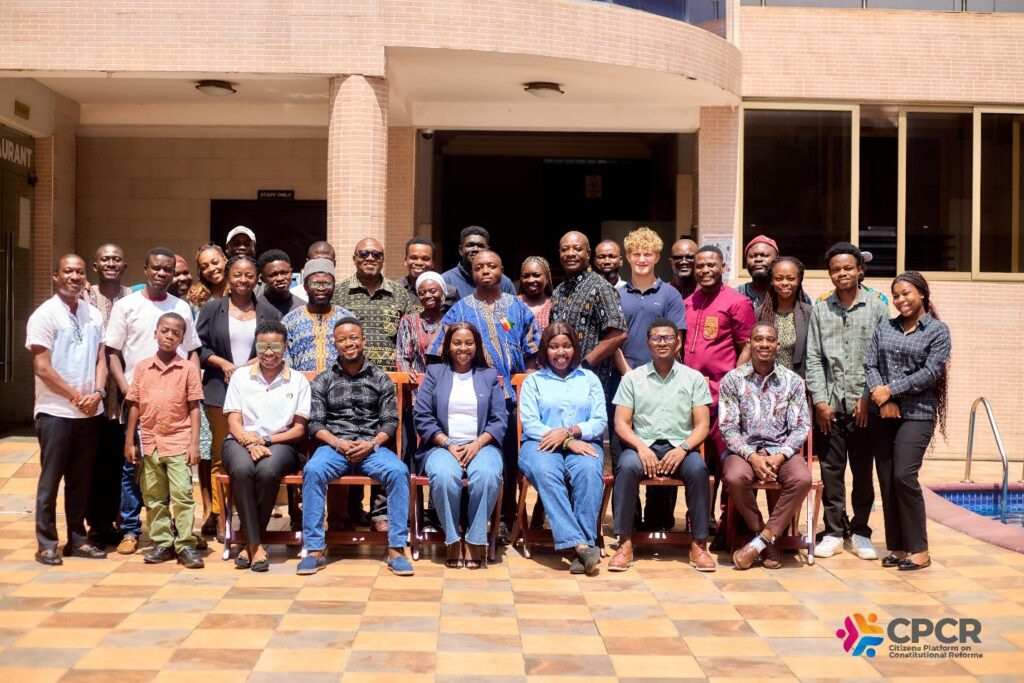
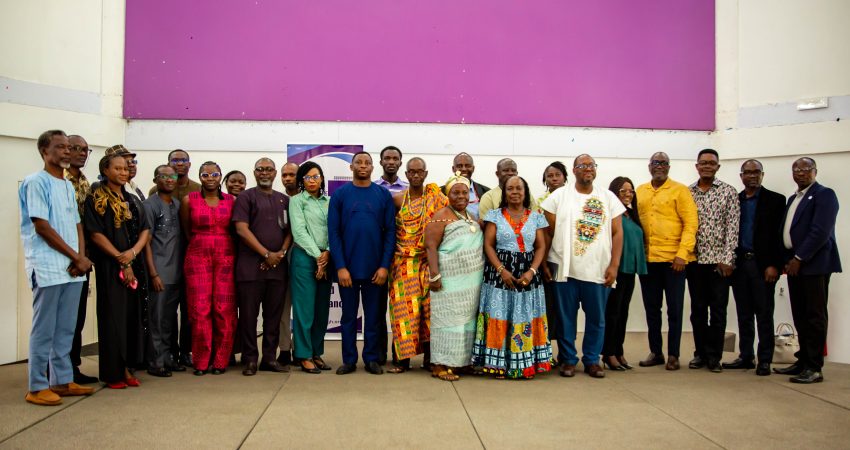
This was the highlight of a dissemination discussion on the findings on Local government reforms to institutions, civil society organisations and traditional leaders.
It was based on research on resetting Ghana’s local governance system for effectiveness.
Challenges
It said the country’s decentralisation framework remains robust on paper, but growing evidence suggests that its implementation continues to face significant challenges.
The research findings were presented Paul Nana Kwabena Aborampah Mensah, Programs Manager, CDD-Ghana at a discussion forum last Thursday.
It called for an urgent need for reform, not only at the policy level, but also in practice.
The common thread that runs through the three presentations was that the central government still held a lot of control, especially in terms of funds.
The qualitative research focused on four Metropolitan, nine municipal and 11 district assemblies spread across 12 regions in the country.
Recommendations
Among the recommendations to make the district assembly concept work effectively were to increase the District Assembly Common Fund to 10 per cent of total national revenue instead of the current five per cent.
Also, there was a call to address the systemic weaknesses and resort to a merit-based appointment.
To promote development and ensure continuity, the research recommended two terms of five years each for MMDCEs, which could be consecutive or otherwise.
It called for capacity building of the various assemblies on how to rake in more Internally Generated Funds (IGF), especially on property rates.
The research also recommended that recruitment of key people into the assembly should be done locally and not by the central government.
It noted that the current appointment system influences perception of upward accountability to the central government rather than downward accountability to citizens.
Contributing to the findings, the Executive Director of CDD-Ghana, Prof. Henry Kwasi Prempeh, and the Executive Director, Institute for Democratic Governance, Dr Emmanuel Akwetey, said Ghana could not wait till everything was ready before venturing into electing MMDCES
Prof. Prempeh said countries which came to understudy Ghana were implementing what “we taught them.”
Source: Graphic Online