
The Ghana Center for Democratic Development (CDD-Ghana) convened a multi-stakeholder roundtable to present its independent, evidence-based assessment of the first year of the John Mahama administration, covering the period from 7 January 2025 to 7 January 2026.
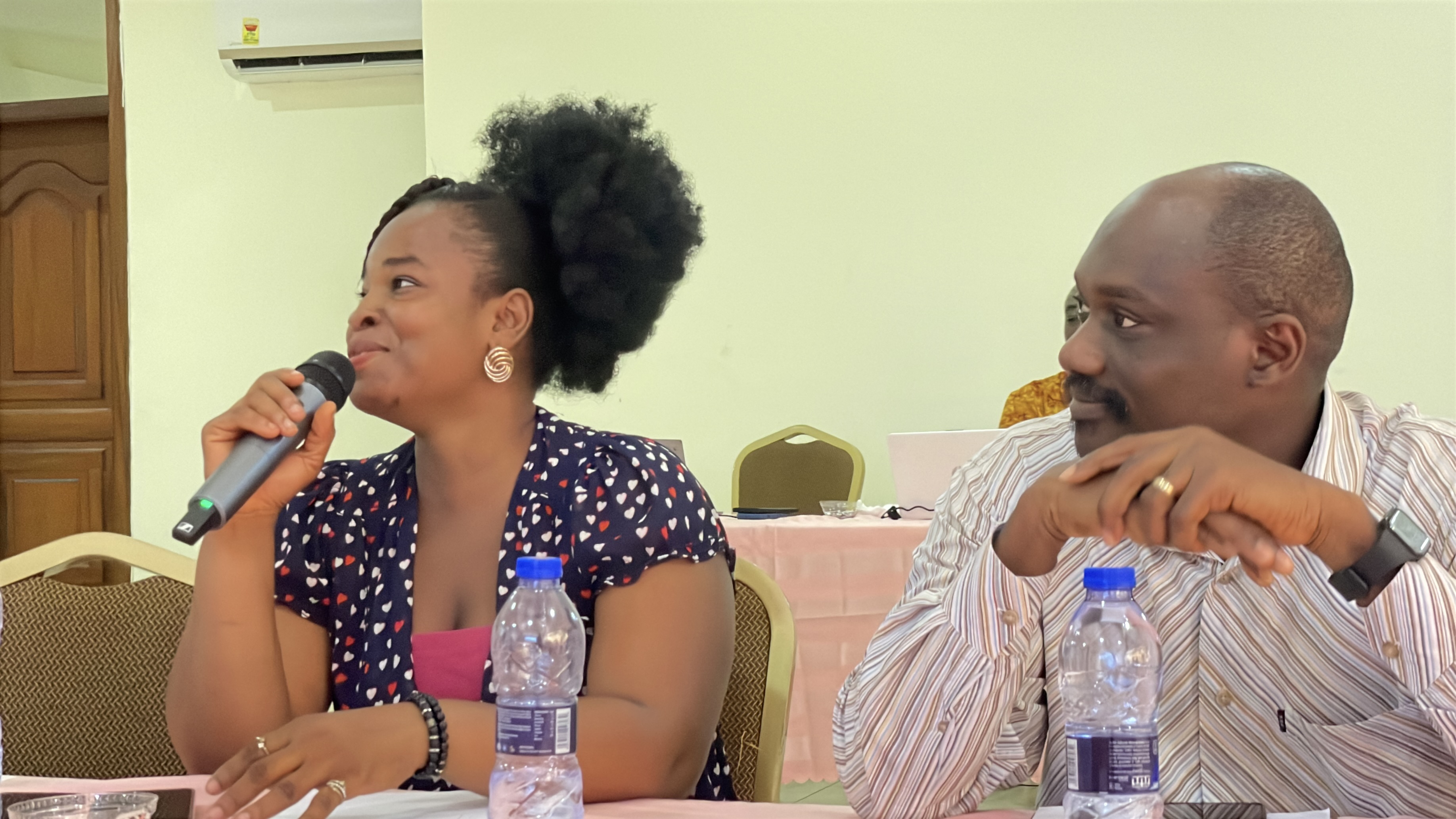
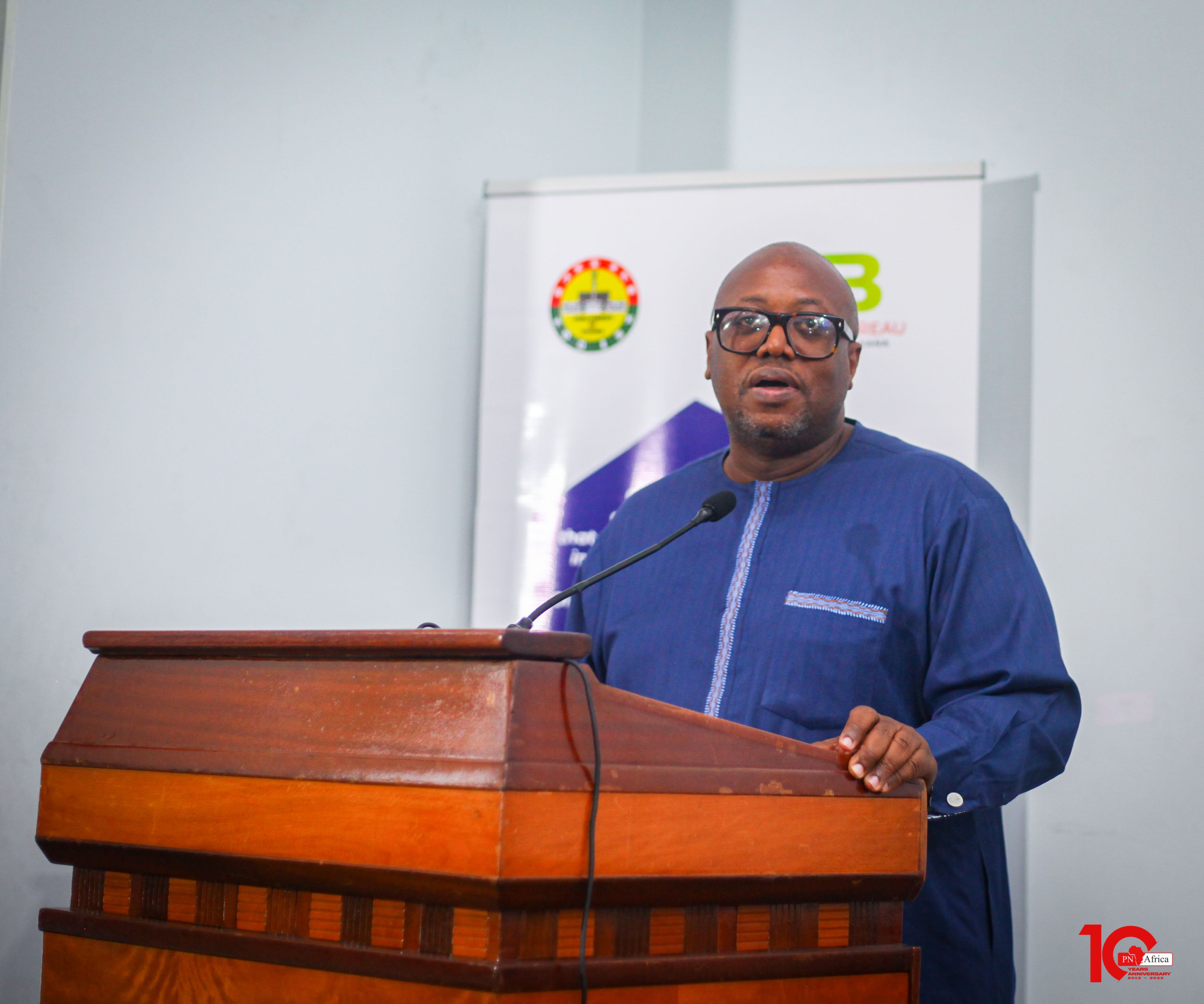
The dialogue, held on Thursday, February 19, 2026, brought together more than 100 policymakers, civil society leaders, academics, journalists, and citizens to examine progress made, assess continuing governance and economic challenges, and identify priority reforms required to consolidate gains in accountability and democratic governance. The roundtable formed part of CDD-Ghana’s broader commitment to fostering inclusive, non-partisan, and evidence-informed public policy engagement.
Through the presentation and subsequent discussions, participants reflected on the implications of the findings for economic recovery, institutional performance, and the strengthening of transparency and accountability mechanisms.
The 94-page report, titled One-Year Assessment of the Mahama Administration: The Second Coming, examines the administration’s first-year performance across six thematic areas: Democracy, Governance, Human Rights and the Rule of Law; Anti-Corruption and Accountability; Economy and Jobs; Environment and Social Development; Foreign Affairs and Regional Integration; and Defence, Security and Peacebuilding. The assessment situates the government’s first year within the broader “Ghana Reset Agenda,” which pledged economic stabilisation, constitutional reform, improved accountability, and renewed public trust.
Opening the discussion, CDD-Ghana officials reiterated that the assessment was non-partisan and grounded in publicly available evidence, policy actions, and institutional outcomes. They noted that the purpose of the exercise was not to issue verdicts, but to evaluate early reform signals, highlight areas of progress and concern, and generate practical recommendations for the remainder of the administration’s term.
The session on Democracy, Governance, and the Rule of Law reflected on declining public trust indicators inherited at the start of the administration, including Afrobarometer findings showing reduced satisfaction with democracy in recent years. Discussants examined developments such as the use of certificates of urgency in Parliament, ongoing constitutional reform efforts, and the unprecedented removal of the Chief Justice, which followed constitutional procedures but generated intense public debate about institutional independence and transparency.
On Anti-Corruption and Accountability, speakers assessed early actions under the government’s anti-corruption agenda, including Operation Recover All Loots and proposals for strengthening asset declaration regimes, contract transparency, and institutional autonomy for oversight bodies. Participants debated whether these initiatives signaled structural reform or whether durable change would depend on sustained political will and safeguards against selective enforcement.
Economic management and job creation featured prominently in the discussion. Contributors examined the administration’s efforts at macroeconomic stabilisation following the 2022–2024 crisis period, commitments to reduce the cost of governance by capping ministerial appointments, and the challenge of translating fiscal adjustments into tangible relief and employment opportunities for young people.
Sessions on Defence, Security and Peacebuilding, as well as Foreign Affairs and Regional Integration, analysed Ghana’s security posture within a volatile West African sub-region marked by coups and Sahelian extremism, and reviewed the government’s diplomatic positioning within ECOWAS and multilateral systems. Speakers emphasised the need to balance security coordination with civil liberties and to strengthen Ghana’s regional leadership through coherent policy engagement.
The roundtable concluded with a call for continued public dialogue and institutional reform. CDD-Ghana indicated that feedback from the event would inform revisions to the report before the publication of a final version on its website. The organisation reaffirmed its commitment to conducting first-year governance assessments as part of its broader mandate to promote democratic accountability, informed civic debate, and evidence-based policymaking in Ghana.
Watch the livestream below.