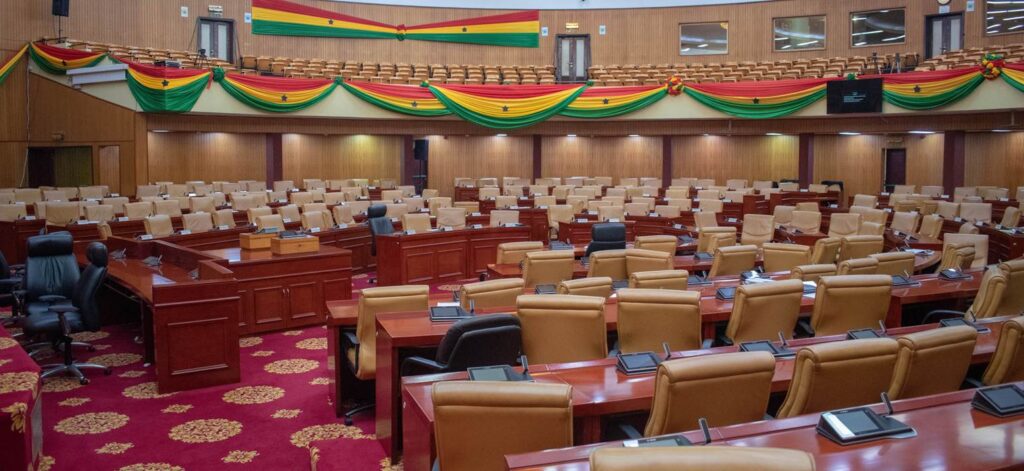

Ghana’s constitutional reform journey has been ongoing for more than a decade. The current review process gained momentum after President John Mahama established a constitutional review committee in 2023, to examine the operations of the 1992 constitution and recommend reforms. Following nationwide consultation, the committee submitted its report to the president in December 2025.
Government subsequently announced plans to establish a constitutional review implementation committee ( CRIC) to guide the next phase of reforms. Civil society organizations, including the Ghana Center for Democratic Development ( CDD-Ghana), have called for the immediate publication of the full report to enable broader public scrutiny and participation. They have also warned that constitutional amendments, procedures particularly for entrenched provisions, require lengthy notice periods and broad consensus, making timely actions essential. A number of proposed reforms have attracted significant public interest, including:
- The Election of Metropolitan, Municipal, and District Chief Executives
- The separation of parliament from the Executive by ending the requirement that a majority of ministers be appointed from parliament
- Strengthening local governance and district decentralization
- Reform of the judiciary and regulation of discretionary powers of key constitutional officeholders,
enhancement of accountability and anti-corruption institutions, and protection of fundamental rights and freedoms, including freedom of expression.
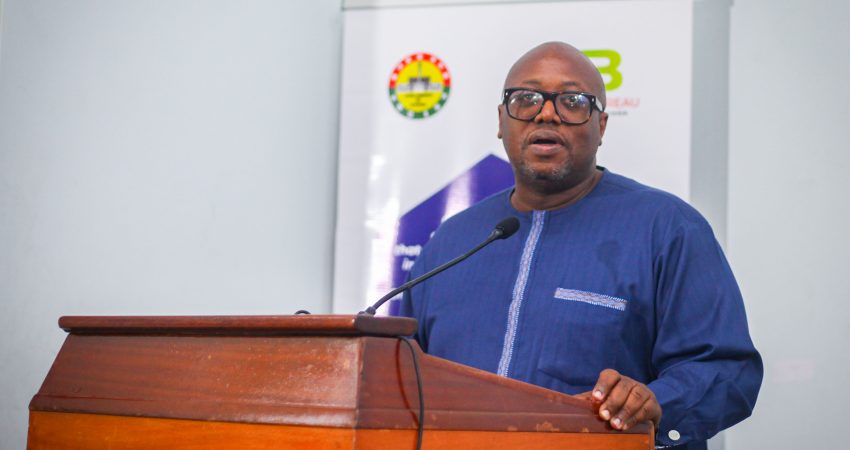
Dr. Kojo Pumpuni Asante has consistently argued that the constitutional reform enjoys broad public support and that Ghana cannot afford another stalled review process. He emphasized citizens’ participation and the need to move from recommendations to implementation.
As Cabinet prepares to deliberate on the committee’s recommendations, the Director of Advocacy and Policy Engagement at the Center for Democratic Development (CDD-Ghana), Dr. Kojo Pumpuni Asante, has called for a clear timeline for implementing the proposed reforms.
Speaking to Radio Ghana on the current state of the constitutional review process, Dr. Asante said Cabinet is expected to undertake extensive discussions on the recommendations submitted by the Constitutional Review Committee. He said Cabinet is going to a couple of days retreat to fully engage with the proposals of the Constitutional Reform Committee. Dr. Asante explained that government is expected to make its position on the recommendations public after Cabinet concludes its deliberations.
He noted that the next step should include the establishment of an implementation mechanism to oversee legislative reforms and stakeholder engagement required for the process.
“We expect that government will publish this disposition paper and proceed to either form an implementation committee that will work on legislation and engagement around the policy process,” he stated.
While acknowledging progress made so far, Dr. Asante stressed the need to accelerate the reform process.
“We think time has passed and we need to accelerate the process,” he said.
He shared that he’s observed that Ghana has undertaken constitutional review exercises in the past, but many of the recommendations were never implemented. For him, the success of the current process will not be measured by the production of another report, but by the extent to which the recommendations are translated into concrete reforms.
“We have already done constitutional reform reports. The real difference will be whether we have been able to move from report to actual implementation.”
Dr. Asante argued that constitutional reforms are necessary to improve governance and create conditions that support national development. He notes that the country’s constitutional arrangements should enable state institutions to function more effectively and respond to the needs of citizens, reforms must focus on creating a governance system that strengthens accountability and improves service delivery. The CDD-Ghana official also highlighted the importance of citizen participation in the reform process.
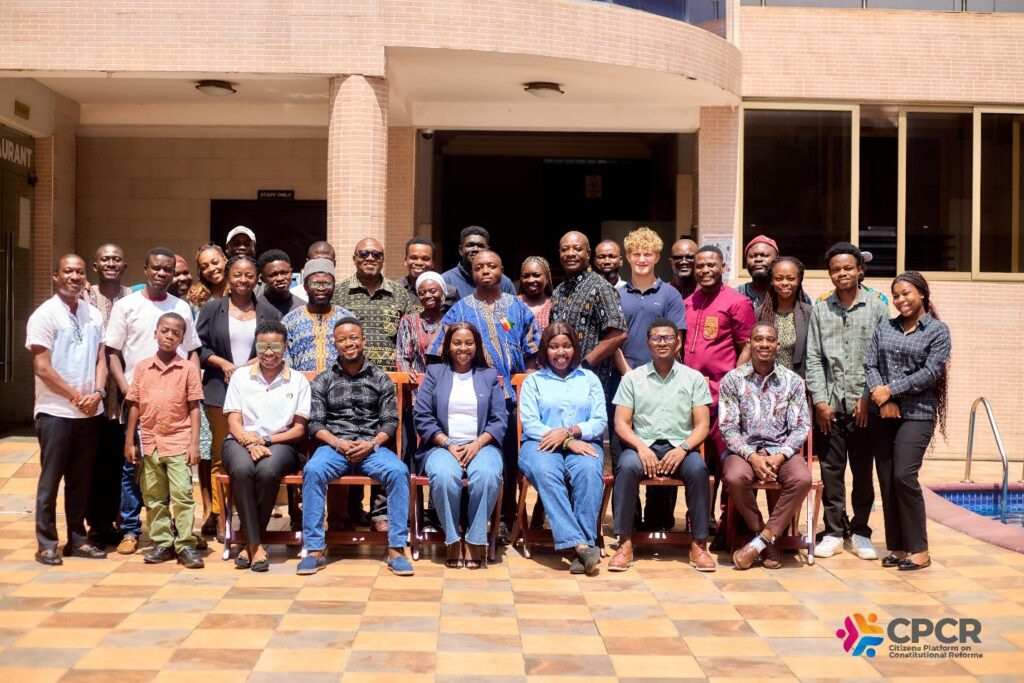
He disclosed that a platform involving more than 90 organisations across the country has been established to encourage public engagement and educate citizens on the proposed reforms. He mentioned that broad public participation will be critical to building consensus around the proposed constitutional changes.
“What we need right now is a clear timeline to help citizens engage,” he said.
Civil society organisations, including CDD-Ghana, have consistently called for the publication of the full constitutional review report to allow for wider public scrutiny and participation. They have also cautioned that constitutional amendment procedures, particularly those relating to entrenched provisions, require extensive consultations and lengthy processes, making timely action essential.
Dr. Asante has maintained that constitutional reform enjoys broad public support and has urged government to ensure that the current process does not suffer the fate of previous review efforts that failed to progress beyond the recommendation stage.
Source: GBC Ghana Online