Corruption should no longer be viewed merely as a criminal offence but as one of Ghana’s most overlooked human rights challenges because it deprives citizens of basic opportunities and essential public services, Dr. Michael Augustus Akagbor, Senior Programmes Manager for Human Rights and Social Inclusion at the Centre for Democratic Development (CDD-Ghana), has said.
According to him, while corruption is widely discussed in the country, it is rarely examined through the lens of human rights, despite its far-reaching consequences on citizens’ welfare.
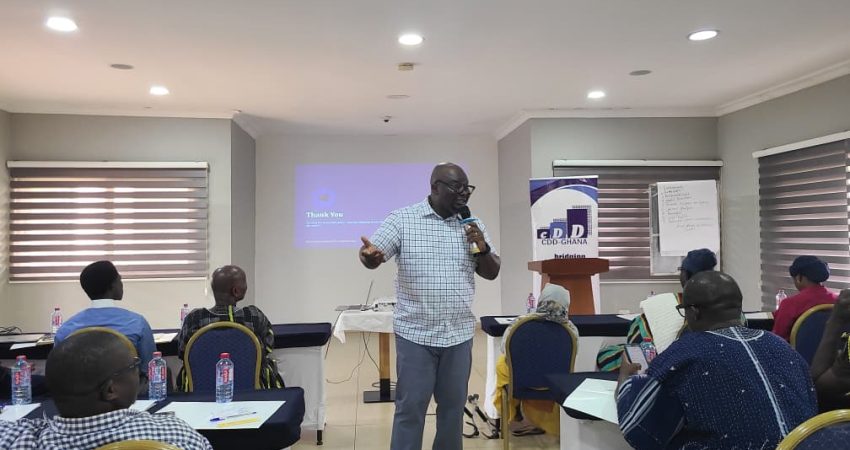
“Corruption not only violates the rights of Ghanaians, but it also denies people opportunities in education, healthcare, transportation and employment. I think corruption is a major human rights issue that we have often ignored in our human rights discussions,” he said in an interview after a two-day stakeholder capacity-building workshop on Human Rights, Non-discrimination and Protection of Vulnerable People in Ghana held in Tamale.
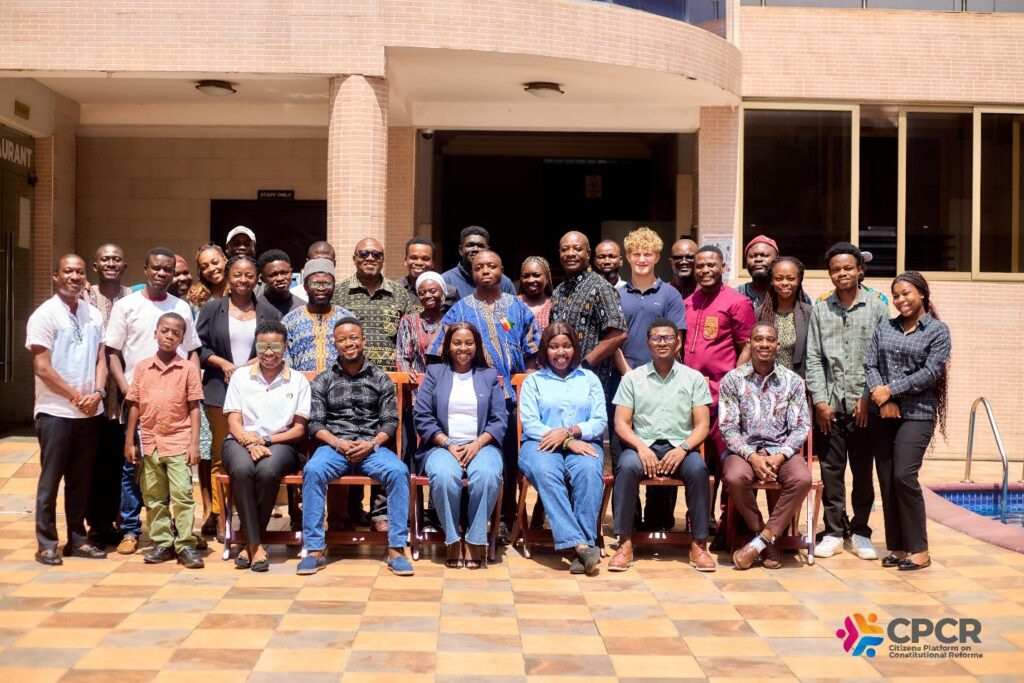
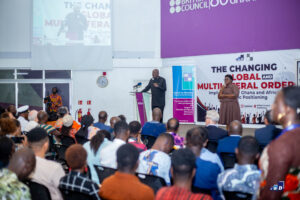
The workshop, organised by CDD-Ghana, brought together representatives from state institutions, civil society organisations, security agencies, faith-based organisations, local government, the media and development partners to strengthen their understanding of human rights principles and improve collaboration in protecting vulnerable and marginalised groups in Ghana.
Dr. Akagbor explained that the training sought to equip participants to become advocates for human rights within their various institutions while promoting dialogue on discrimination and the protection of vulnerable populations, including persons with disabilities, children and other marginalised groups.
Asked which human rights issue receives the least public attention, he again pointed to corruption.
“We tend to treat corruption as a criminal act, but we do not look at it in the broader context of how it affects people’s rights. Because we have failed to make that connection, many people do not appreciate the full extent of the harm corruption causes,” he said.
He argued that public resources lost through corruption directly affect citizens’ constitutional rights by limiting access to quality education, healthcare, infrastructure and employment opportunities.
Dr. Akagbor also stressed that although Ghana’s Constitution provides a strong framework for protecting human rights, the country continues to face implementation challenges largely because many citizens are unaware of the rights guaranteed to them.
He noted that greater public education on constitutional rights would empower citizens to demand accountability from public institutions and reduce abuses.
Source: Kumasi Mail