2025 began with a defining moment for democratic governance in Ghana and across Africa. Ghana entered a new political era following a historic electoral transition, even as democratic governance across the region faced mounting pressures that tested institutional resilience, civic freedoms, and public trust.
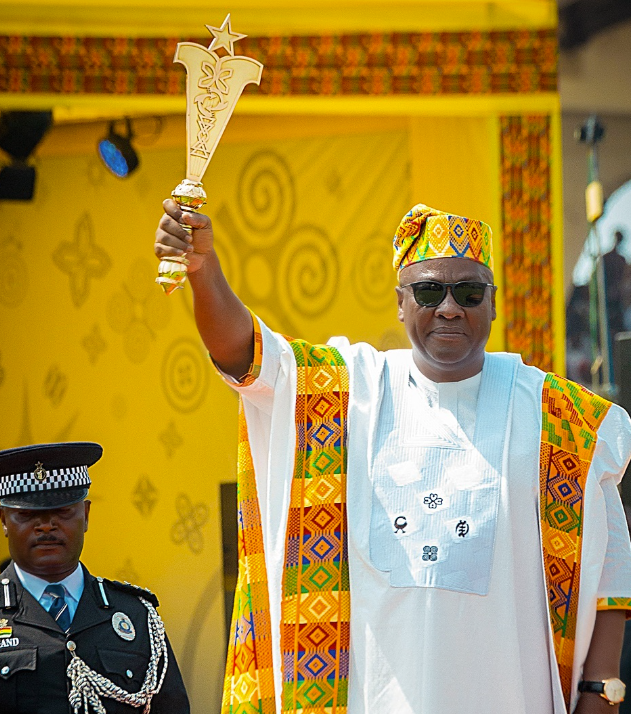
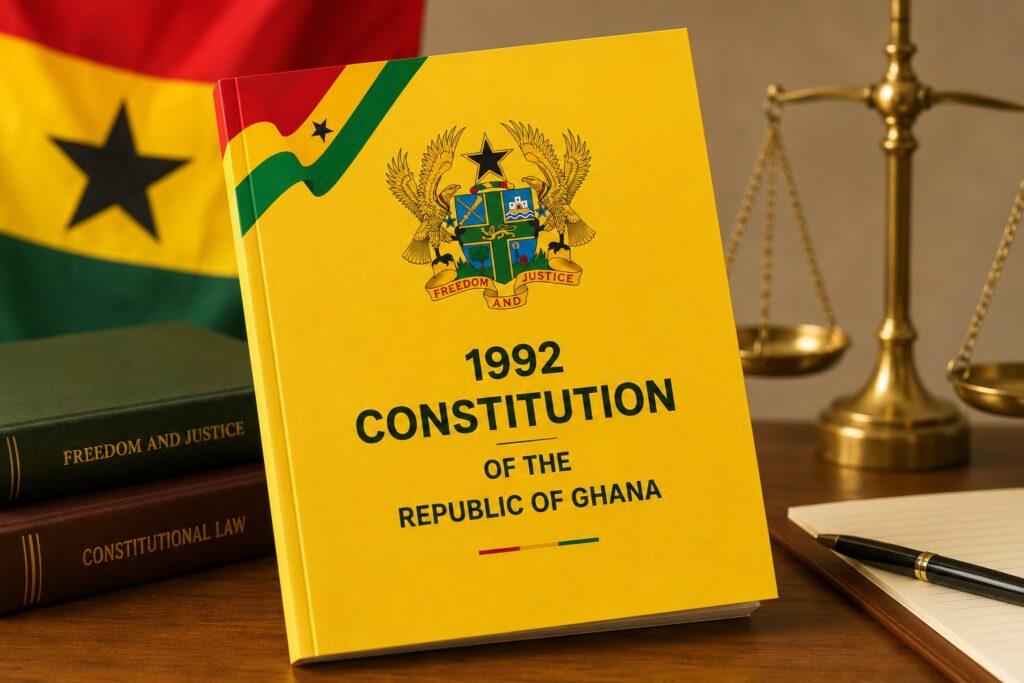
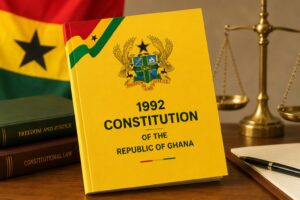
Ghana ushered in 2025 with its fourth democratic transfer of power between parties. The National Democratic Congress’s landslide victory in the 2024 elections was more than an electoral outcome; it signaled that Ghanaians were demanding substantial change. The new administration assumed office with a reform agenda spanning constitutional review, institutional strengthening, economic recovery, and accountability — framed as a reset of Ghana’s politics and economy. Public expectations were high, and the window for reform was open.
Beyond Ghana’s borders, democratic strain deepened across West Africa. Shrinking civic space, human rights abuses, the resurgence of unconstitutional changes of government, electoral integrity challenges, and weakened regional responses continued to threaten democratic progress. These were not distant concerns; they shaped the environment in which CDD-Ghana’s regional engagement and democratic solidarity work took place.
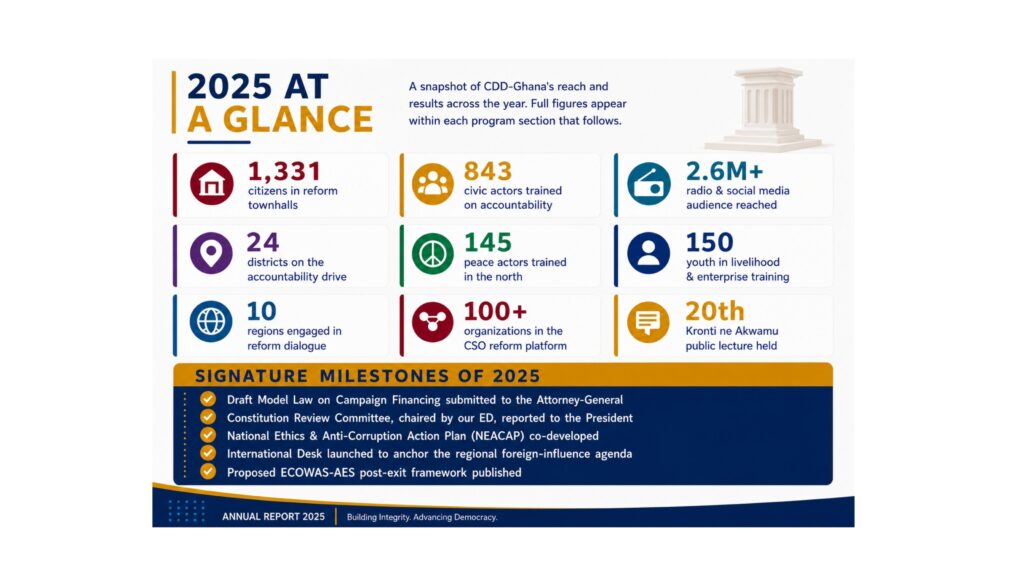
Amid both realities — national opportunity and continental pressure — CDD-Ghana anchored its 2025 strategy in a clear purpose: to work within the reform window at home while sustaining democratic solidarity across the region, laying the groundwork now for the transformation that must follow. Our work focused on strengthening democratic institutions, safeguarding democratic norms, promoting accountable governance, and ensuring that reform remained grounded in citizens’ substantive participation.