
The Citizens’ Platform on Constitutional Reform (CPCR) has called for the enactment of a Constitutional Reform Implementation and Roadmap Act to provide a clear legal framework for implementing constitutional reforms and to safeguard the process across successive governments.
The Platform, which consists of of over 70 Civil Society Organisations, professional bodies, and trade unions in Ghana, believes that a legally established roadmap would provide continuity and certainty throughout the reform process, help build consensus and ensure that the reform process is not unduly influenced by political timelines.
The CPCR has further cautioned against bundling unrelated amendments into a single “Yes” or “No” question, noting that such an approach could limit voters’ ability to make informed choices on specific proposals and could produce unintended outcomes.
Civil Society’s Wider Concerns
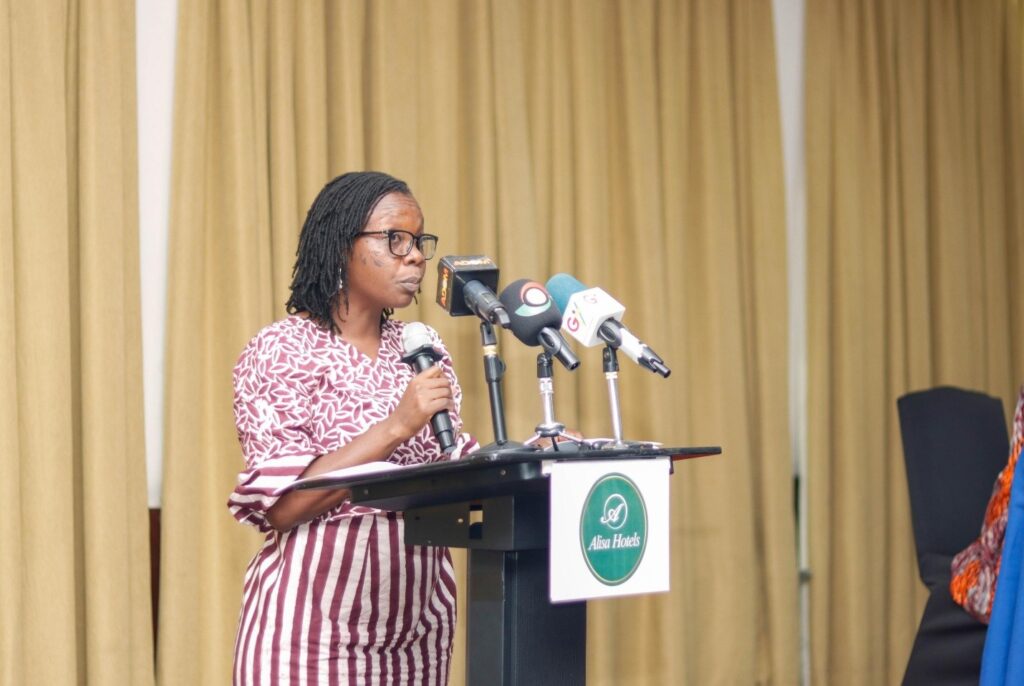
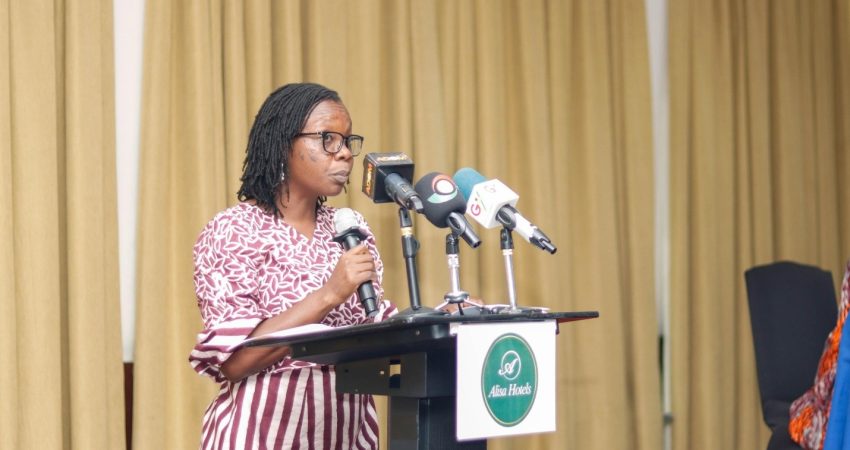
Presenting the civil society position on the constitutional reform process at a press conference on Tuesday , September 15, 2026, Professor Akosua Darkwah, Chairperson of the CPCR Steering Committee, noted that the Platform agrees with the Government’s position on some proposals while differing on others.
The Platform has rejected the Professor Prempeh-led Constitutional Review Committee’s proposal to extend the terms of office of the President and Members of Parliament from four to five years, a proposal the Government accepted in its position paper.
“We believe the four-year term should be retained, particularly because the reforms already address many of the concerns used to justify the extension,” she stated, adding that extending terms risks entrenching presidential authority instead of curbing it.
The CPCR identified 16 areas where its position differs from the Government’s. These include the format for presidential appointments, the appointment of Members of Parliament as ministers or to public boards, the election of Metropolitan, Municipal and District Chief Executives, and the proposed establishment of an Anti-Corruption and Ethics Commission.
Areas of Agreement
Despite these differences, the CPCR identified several areas of common interest with the Government’s proposals. These include changes to the electoral calendar, the introduction of proportional representation, the abolition of the death penalty, and measures to strengthen oversight of political parties and public emoluments.
The Bigger Picture
The CPCR stressed that constitutional reform should be treated as a national exercise rather than a partisan one. Prof. Darkwah emphasized the need for a transparent and inclusive process that provides citizens with meaningful opportunities to understand, discuss and contribute to the proposed reforms.
The CPRC has therefore called for sustained public engagement, civic education, and consensus-building throughout the reform process.
For the CPCR, the credibility of the constitutional reform process will depend not only on the content of the proposed amendments but also on the processes leading to their implementation.