As part of efforts to deepen accountability, strengthen the rule of law, and promote institutional responsiveness in Ghana, the Strengthening Accountability, Rule of Law, and Institutional Responsiveness in Ghana (SARIS) project will, in the coming weeks, roll out key activities for the 2026 implementation year.
A major intervention planned under the project this quarter is a two-day training for investigative journalists in Kumasi, Ashanti Region, facilitated by Corruption Watch Ghana (CW Ghana), which will equip selected journalists with advanced investigative skills to strengthen corruption monitoring and accountability reporting across the country.
The training, which comes off from February 16 to 17, 2025, is designed to enhance participants’ capacity in data-driven investigative journalism, evidence collection, ethical reporting, source protection, and the use of digital tools for investigating corruption-related cases. It will also create space for peer learning and collaboration among journalists from key national media houses, with the broader goal of strengthening public demand for accountability and reform.
The training is grounded in the recognition that investigative journalism plays a critical role in exposing corruption, uncovering systemic loopholes, and incentivizing institutions to respond more effectively to governance deficits.
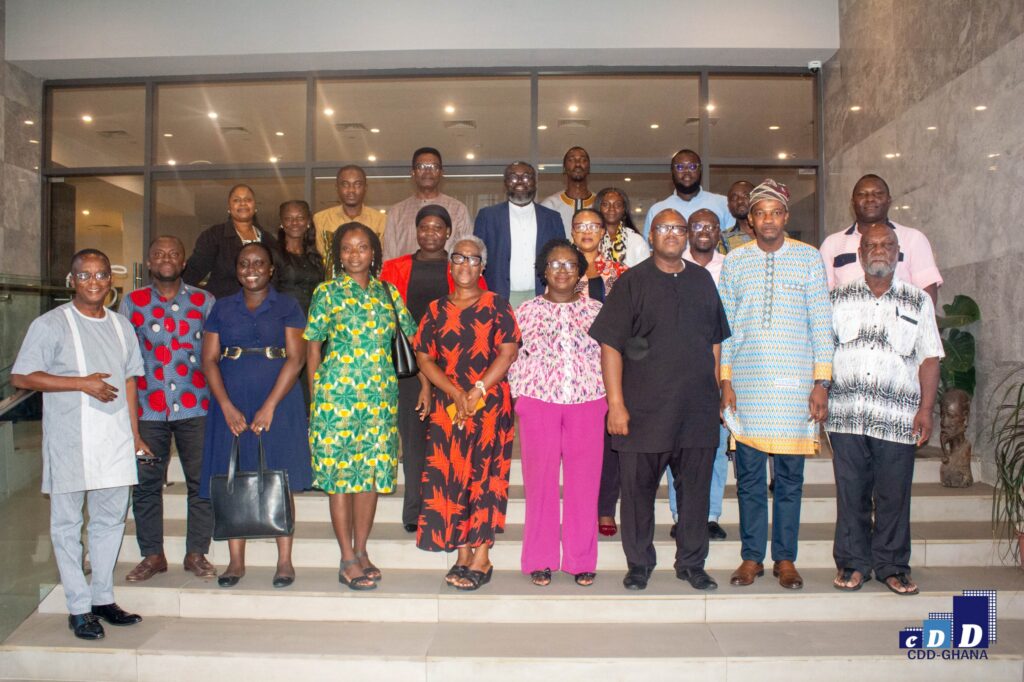
In preparation for the implementation year, partners implementing SARIS in January 2026 held a project planning meeting to review and discuss the 2026 project work plan. The meeting focused on aligning priorities, strengthening coordination, and ensuring that project activities remain responsive to governance challenges at both national and district levels.
The upcoming activities build on earlier SARIS interventions implemented in 2025, including citizen trainings and district-level engagements designed to strengthen local accountability.
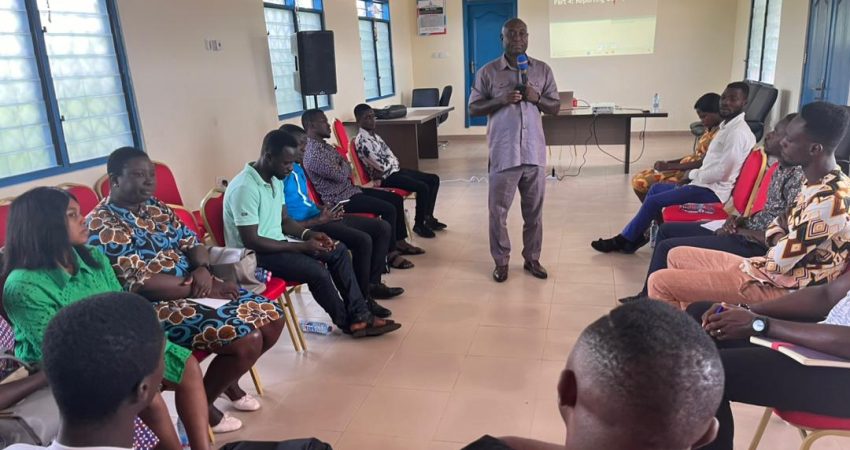
In May 2025, the Center, in collaboration with the project partners, Ghana Anti-Corruption Coalition (GACC)and Transparency International Ghana (TI Ghana), rolled out a second phase of citizen trainings across eight (8) districts in the Northern, Bono, and Ahafo regions. The trainings brought together participants from civil society organizations (CSOs), community-based organizations (CBOs), youth groups, women-based associations, and other minority groups.
The sessions deepened citizens’ understanding of Ghana’s Public Financial Management laws and the audit process, and equipped participants to monitor and advocate for the implementation of audit recommendations at the local level. Experts from the Ghana Audit Service also supported the training by facilitating sessions on Ghana’s national audit processes and relevant legislation.
These district-level engagements formed part of the project’s broader effort to empower citizens to demand transparency, hold duty-bearers accountable, and play a more active role in preventing and reporting corruption within local governance systems.
About the SARIS project
The Strengthening Accountability, Rule of Law, and Institutional Responsiveness in Ghana (SARIS) project is funded by the European Union (EU) in Ghana and is being implemented across 24 districts.
The initiative seeks to strengthen the watchdog role of civil society organizations while supporting advocacy for reforms aimed at improving Ghana’s integrity systems. The project is led by CDD-Ghana, in collaboration with the Ghana Anti-Corruption Coalition (GACC) and Transparency International Ghana (TI Ghana).