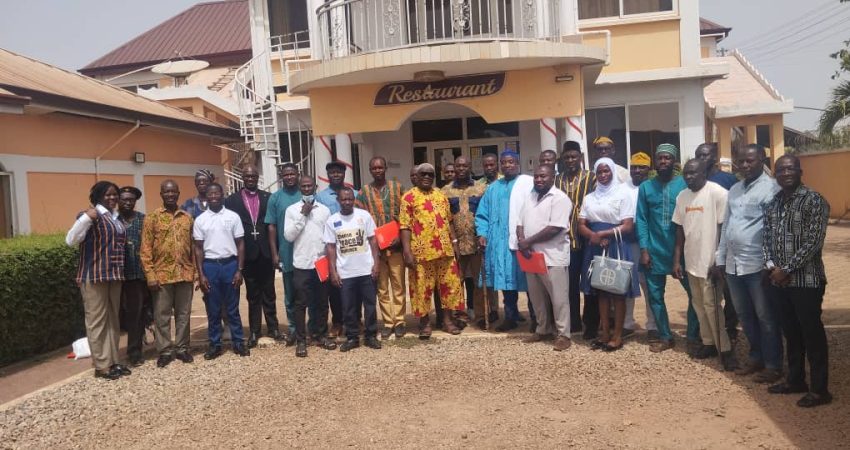
The Ghana Centre for Democratic Development (CDD-Ghana), working with the National Commission for Civic Education (NCCE), brought its nationwide consultation on political financing reform to the Upper West Region on Wednesday, February 25, 2026, warning that unregulated money in politics is pushing Ghana toward a state of “democracy capture.”
The forum in Wa was the second in a series of 10 regional consultations that CDD-Ghana is conducting across the country between February 23 and March 13, 2026, with funding from the Foreign, Commonwealth and Development Office (FCDO) of the British Government. The consultations seek to gather public input on a Draft Model Political Financing Bill developed by CDD-Ghana to address the growing influence of wealth on Ghana’s electoral and political processes. The draft law has already been reviewed by the International Foundation for Electoral Systems (IFES) and submitted to the Attorney-General’s Department for consideration.
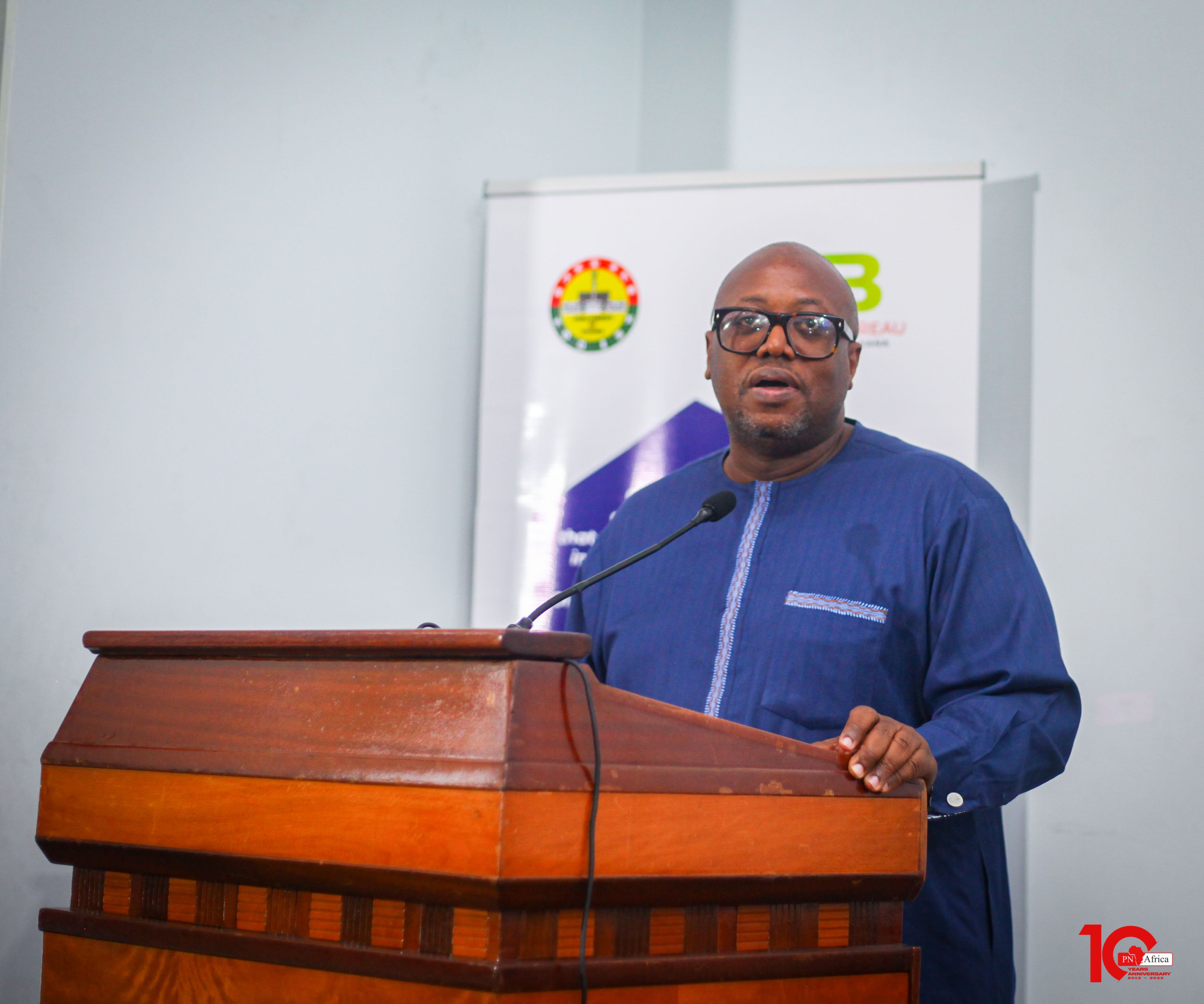
Jacob Tetteh Ahuno, Assistant Monitoring and Evaluation Specialist with CDD-Ghana, told participants that the stakes of inaction could not be overstated. He linked unregulated campaign financing directly to poor public services, citing sole-sourced procurement, substandard infrastructure, and governance failures as consequences of a system where wealthy campaign backers call the shots. “We believe if we don’t manage our campaign finance system, we’re heading towards a state capture, where campaign financiers get to dictate what the state in terms of policies and initiatives are going to be,” he said, adding that outcomes would serve financiers rather than the broader public.
William Nyarko, Consultant for CDD-Ghana on Political Campaign Finance and Executive Director of the African Centre for International Law and Accountability (ACILA), identified three critical gaps in Ghana’s current legal framework: no law specifically regulating candidate funding and financing, no defined campaigning period, and no provision against the abuse of incumbency during elections. He said political parties and candidates were central to democracy but their funding must be brought within democratic norms. “Whatever happens when they are in public office is as important as how they get into public office,” he said.
The NCCE’s Upper West Regional Director, John Yibile, opened the forum by tying political financing reform to the broader promise of Ghanaian democracy. He observed that Ghana has historically demonstrated skill at law making but struggled with implementation and enforcement, and called on participants to commit not just to shaping the bill but to holding institutions accountable once it becomes law.
The urgency of the reform drive is backed by research. CDD-Ghana’s own studies show that the average cost of contesting a parliamentary seat rose 59 percent between 2012 and 2016, reaching an average of GH¢389,803. By 2020 that figure had climbed to as much as GH¢4 million per candidate, with investigators finding that a significant share of those funds came from opaque sources, including networks linked to organised crime.
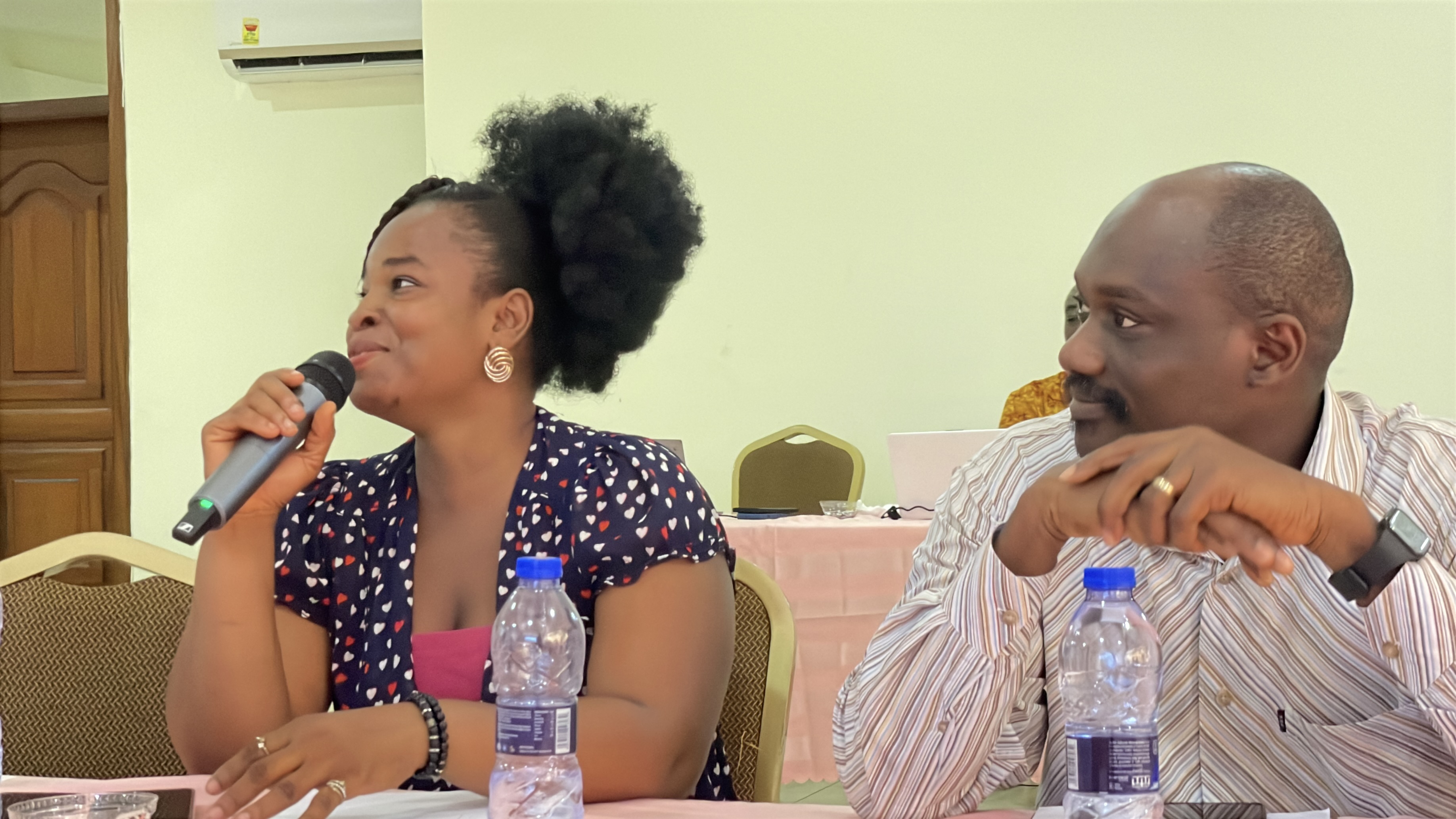
The Wa forum brought together civil society organisations, traditional authorities, academics, youth and women’s groups, persons with disabilities, political parties, and representatives from across the Upper West Region. Following the remaining eight regional forums, CDD-Ghana will consolidate public feedback before presenting a revised draft law to Parliament and the Attorney-General’s Department as part of a broader push for comprehensive political finance legislation ahead of Ghana’s next electoral cycle.
Source: News Ghana