
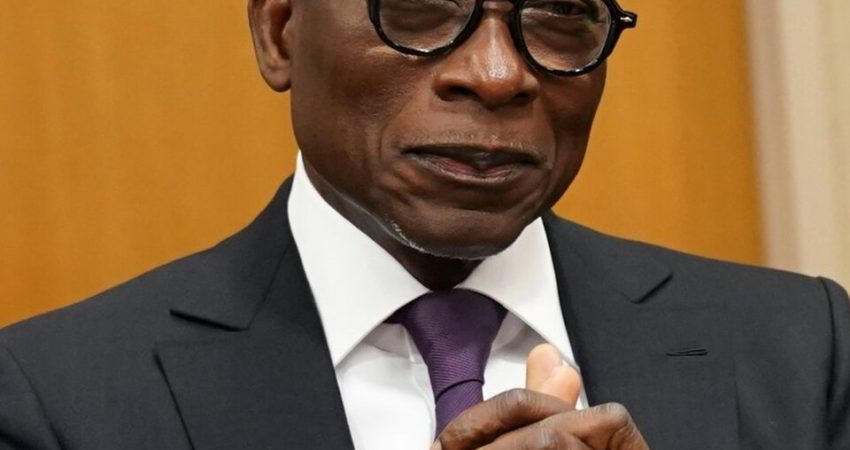
Patrice Talon has now completed two terms in office, in line with Benin’s constitutional limit. As a result, he is expected to step down at the next election. But many suspect that he will seek to remain a political “backseat driver”, shaping the presidency from behind the scenes through allies and institutions he has carefully put in place for precisely that purpose.
That possibility matters not only for Benin, once widely seen as one of West Africa’s more democratic states, but also for a region already grappling with democratic backsliding, military coups, and rising insecurity. It is also especially timely. In a region where leaders have repeatedly manipulated constitutions, extended mandates, or simply refused to leave office, Benin should have offered a reassuring example of democratic restraint. Instead, the central question is no longer simply whether Talon will leave office, but whether alternation in office will amount to alternation in power. Click here to read the full blog post originally published by Democracy in Africa (DIA).