The Ghana Center for Democratic Development (CDD-Ghana) will hold a two-day capacity building workshop on conflict-sensitive journalism and national security for selected media practitioners in Northern Ghana.
The training will take place from March 10 to March 11, 2026 in Tamale, and will bring together 40 journalists from the Upper East, North East and Upper West regions. The initiative forms part of CDD-Ghana’s efforts to strengthen responsible reporting on security and conflict related issues while promoting social cohesion.
The workshop is being organised by the Security Sector Governance team at CDD-Ghana under a project supported by the Global Community Engagement and Resilience Fund (GCERF).
The training is designed to equip journalists with the knowledge and tools required to report responsibly on emerging security threats, including violent extremism. It will focus on improving security literacy among journalists and strengthening the media’s role in preventing conflict escalation.
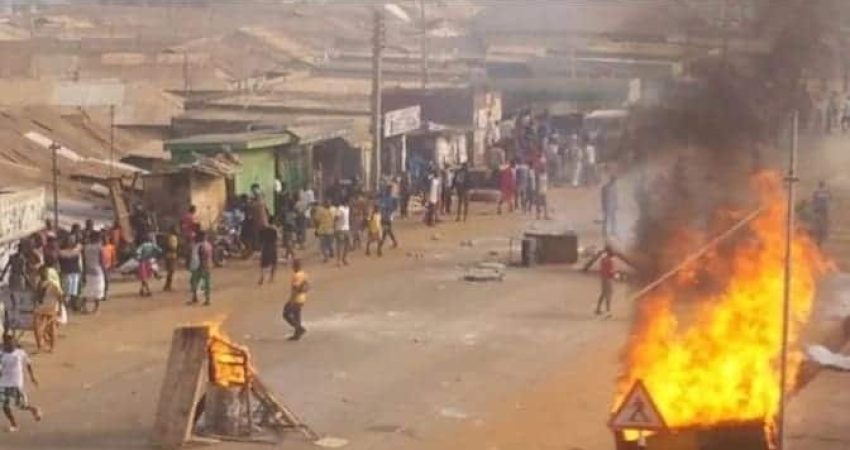
Participants will explore how media narratives can influence public perception and community relations, particularly in areas where tensions around land, chieftaincy disputes and cross border movements already exist.
Paul Nana Aborampah Mensah, Program Manager and Team Lead for Security Sector Governance at CDD-Ghana, said the training responds to the growing need for responsible reporting on sensitive security matters.
“Journalists reports on some of these incidents and sometimes the line of reporting, instead of bringing peace, escalates tensions,” he said. “Through this training, we want to walk journalists through what we call conflict sensitive reporting. At the end of the day, we want them to understand the structural problems and what they can do to contribute to Ghana’s efforts to reduce vulnerabilities and prevent extremism.”
He added that the project is also designed to prevent radical and violent extremist groups from taking advantage of existing vulnerabilities.
“The aim is to reduce these vulnerabilities so that extremist groups cannot exploit the gaps that may exist within communities to enter Ghana,” he explained.
The workshop will be delivered through five structured modules designed to combine theoretical understanding with practical exercises.
The first module introduces key concepts around violent extremism, prevention of violent extremism and radicalisation. The second module focuses on identifying vulnerability and early warning indicators. The third module explores Ghana’s security landscape. It will examine issues such as chieftaincy disputes, land tenure systems, climate pressures and transhumance movements.
The fourth module focuses on conflict sensitive journalism. Participants will examine reporting approaches to sensitive topics such as relations between Fulbe communities and local populations.
The final module will focus on digital security and cyber literacy. Journalists will learn practical fact checking tools, strategies for protecting sources and data, and approaches for countering misinformation that can inflame tensions.
Through the partnership between CDD-Ghana and GCERF, the initiative seeks to position journalists in Northern Ghana as key actors in promoting stability and resilience.
CDD-Ghana continues to work with media practitioners, civil society organisations and local communities to strengthen democratic governance and support initiatives that promote peace and security across Ghana.