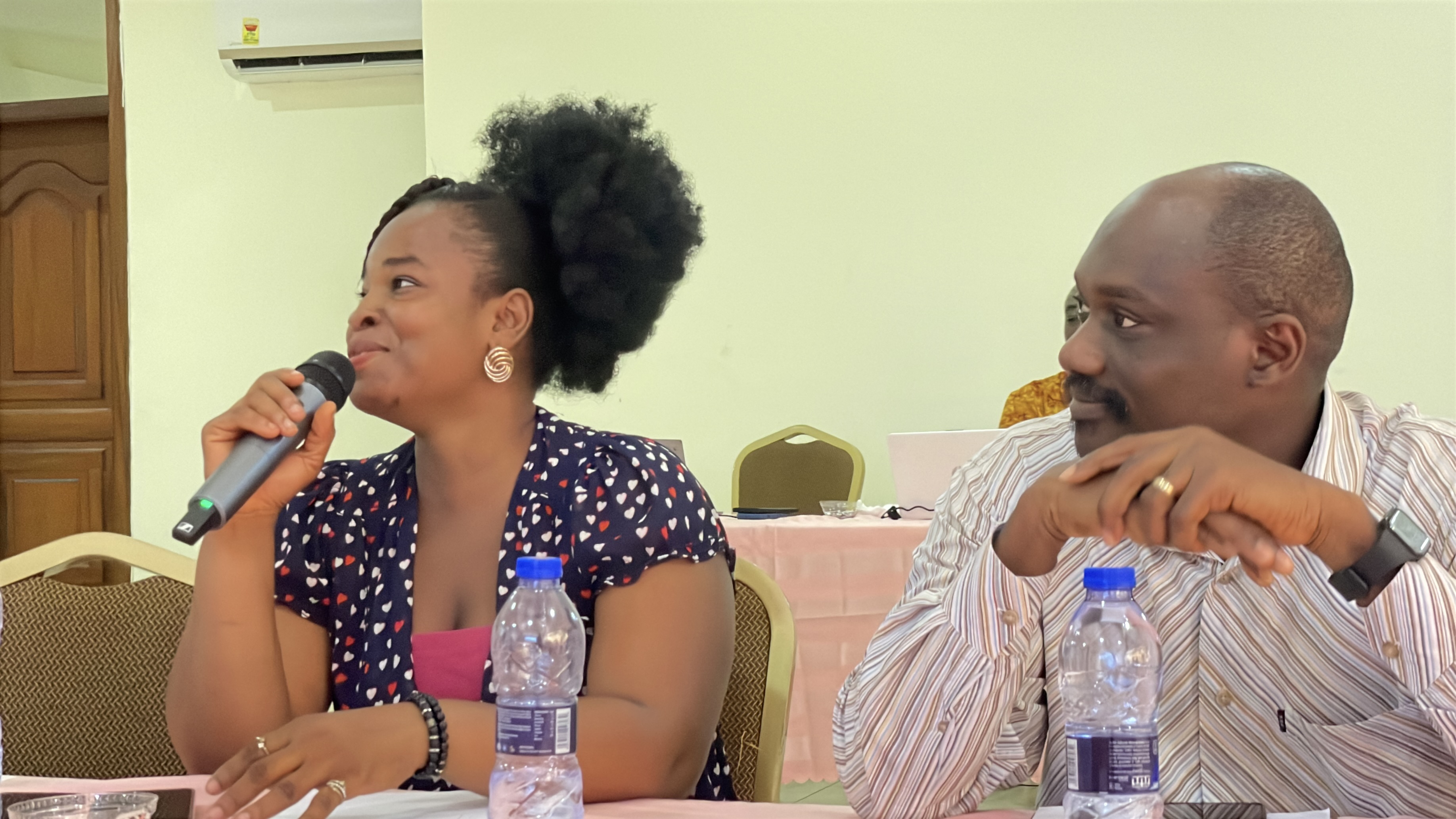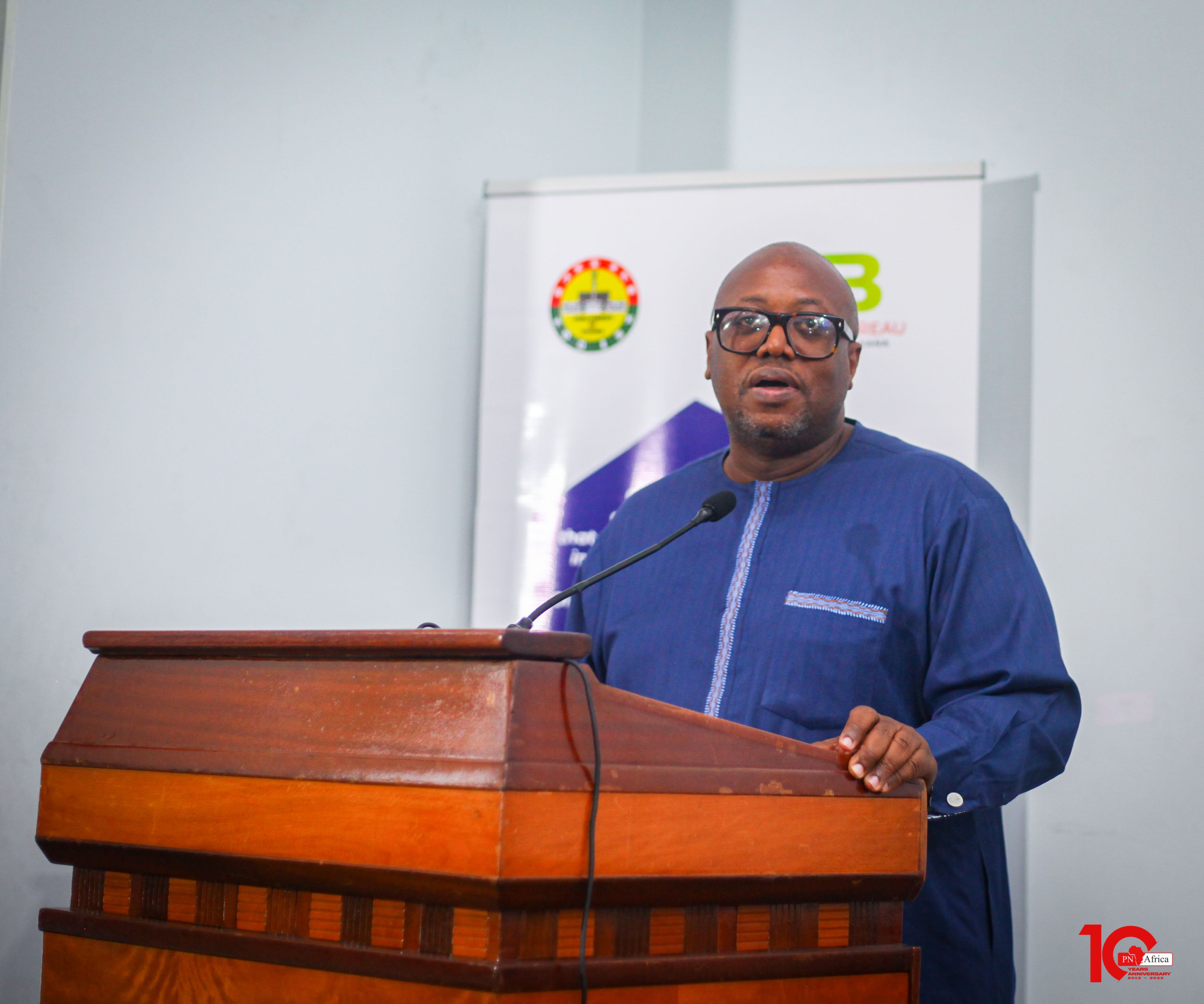
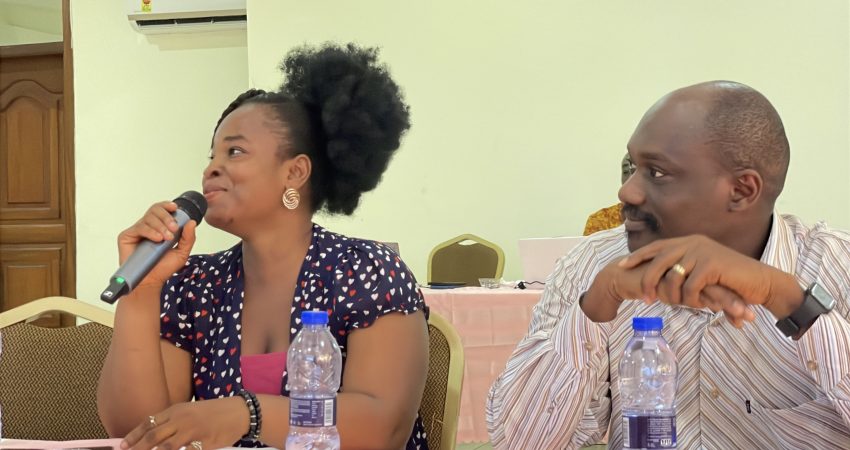
The Ghana Center for Democratic Development (CDD-Ghana) has engaged over 20 journalists from the Central Region in a two-day capacity-building workshop aimed at strengthening rights-based journalism and promoting ethical reporting on sensitive social issues.
Held in Cape Coast from March 17–18, 2026, the workshop focused on equipping media practitioners with the knowledge and tools to report accurately, fairly, and responsibly on human rights issues, particularly those affecting sexual minorities.
The engagement forms part of CDD-Ghana’s broader effort to reinforce the role of the media as a critical pillar of democracy, ensuring that public discourse reflects balance, dignity, and constitutional integrity.
Strengthening Journalism Through Human Rights Education
Opening the session, Michael Augustus Akagbor, Programs Manager at the Center, reflected on CDD-Ghana’s ongoing nationwide engagements and why journalists remain a priority stakeholder group.
“We’ve done a lot of engagements across the country. We’ve engaged with the police, with religious clerics, and with universities. But one of the groups I like to engage most often is journalists. Journalists, for me, are very critical to our democratic enterprise, and for that reason, engaging with them is something I always look forward to.”
He further emphasised the central role of the media in sustaining democratic accountability and creating space for informed public discourse on human rights.
“The role of the media cannot be underestimated in terms of how democracy can survive. If we don’t have a vibrant media space, then democratic accountability is at risk. So, we’re here to have a conversation on critical human rights issues in Ghana and to explore how adopting a rights-based approach can strengthen journalism.”
Sessions on Day 1 introduced participants to foundational human rights concepts and expanded the conversation beyond legal definitions to include lived realities and societal impact. The discussions covered Ghana’s constitutional provisions, democratic rights, and the country’s international obligations to protect all persons.
Exploring Constitutional and Legal Contexts
A key session explored the secular nature of the Ghanaian state and its implications for democratic rights, led by Prof. James Dzisah of the University of Ghana. This was followed by a session on Ghana’s international human rights commitments, delivered by Mr. William Nyarko, Executive Director, Africa Centre for International Law and Accountability (ACILA).
Discussions also addressed recommendations from the Constitution Review Committee and their implications for strengthening domestic human rights protections.
Focus on Ethical Reporting and Media Responsibility
Day 2 shifted towards practical application and deeper constitutional analysis, with sessions focused on strengthening journalists’ ability to report on complex human rights issues.
A key session led by Prof. Takyiwaa Manuh, Senior Fellow at CDD-Ghana, examined Ghana’s constitutional framework and its protections for all persons, using the LGBTQ+ Rights Bill as a case study. The session unpacked the legal, social, and democratic implications of the bill, encouraging participants to approach such issues with accuracy, context, and constitutional awareness.
This was followed by a session on professional and effective human rights reporting, where Mr. William Nyarko, Executive Director, Africa Centre for International Law and Accountability (ACILA), guided participants through tools, framing techniques, and ethical considerations.
Participant Reflections and Key Takeaways
Shadrack Owusu Asante, News Editor at Rich FM, noted that the sessions were insightful and expanded his understanding of the Human Sexual Rights and Family Values Bill, which he had not previously engaged with in detail.
“This training has opened my mind about the Bill. As I go back, I’m going to educate the public on how we should handle issues of sexual minorities. We don’t have to violate the rights of others, and we have to understand that everyone has rights.”
Georgina Appiah, Journalist at GNews Prime, also indicated that the training would directly influence her professional practice.
“I am going to integrate what I have learnt here regarding rights into my journalism work. I know that I have to respect people’s rights; I can’t just infringe on them. It’s going to help my work a lot.”
She added that human rights are universal and emphasised the need for journalists to approach their work with empathy when reporting on others.
Reinforcing Ethical Reporting Standards
In his closing remarks, Mr. William Nyarko, Executive Director of the Africa Centre for International Law and Accountability (ACILA), underscored the role of the media in advancing constitutional protections.
“The media is crucial in ensuring that the constitutional provisions under Chapter 5, particularly on equality and non-discrimination, are upheld. Strengthening the capacity of the media is essential so they can effectively promote the rights of all persons.”
He further noted that participants often begin such engagements with pre-existing beliefs and biases, which can create initial resistance when confronted with new perspectives.
“At the beginning, people come with their own beliefs and prejudices, so there is some resistance. But as their capacity is strengthened in law, human rights, and practice, that begins to change.”
The workshop ultimately sought to improve media narratives around sexual minorities by encouraging fact-based, balanced, and rights-conscious reporting.