
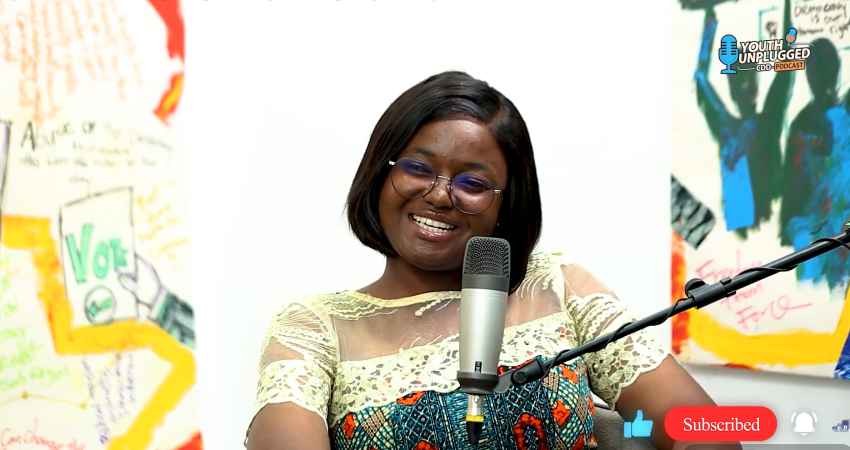
Concerns over the growing financial cost of by-elections in Ghana took centre stage on a recent episode of the Youth Unplugged podcast, where speakers questioned whether the country’s democratic processes are becoming increasingly driven by money rather than representation.
Hosted by Jude Duncan, the discussion featured Samuel Ackom and governance advocate Chleo-Patra Azantilow, who examined how by-elections have evolved over time and the strain they continue to place on Ghana’s democracy and economy.
According to Chleo-Patra Azantilow, by-elections in Ghana were once largely influenced by community popularity and social ties, but today’s political environment has become heavily dependent on financial strength.
“By-elections started off from the time of commonwealth due to the homogenous nature of the people, popularity won. But now democracy has evolved over time and has become socio-economically resource based,” she said.
The discussion focused heavily on the rising cost of political participation, particularly within internal party structures and delegate systems. Chleo-Patra argued that delegate-based elections have contributed significantly to the growing expense of campaigning, “the delegate elections make it more expensive,” she noted.
She further called for reforms to the delegate system, suggesting that restructuring the process could reduce the financial burden placed on candidates and political parties, “Reformation of the delegate system should cut down cost,” she added.
The panelists also explored how vote-buying and political inducements have gradually become embedded within Ghana’s electoral culture. Jude observed that many voters now expect incentives before casting their ballots, a trend he suggested threatens the integrity of democratic participation.
“It’s been institutionalized in culture, people always expect to receive something before voting,” he said.
While discussing the broader economic implications of elections, Jude Duncan referenced comments by the Governor of the Bank of Ghana, noting that Ghana’s economy remains highly vulnerable to global economic shocks.
“The governor for BOG says the Ghanaian economy is very susceptible to global volatilities. Ghana is a small space economy,” he stated.
The episode also highlighted growing public frustration over the management and conduct of by-elections in the country.
“Clearly no one is happy about the dispensation of how by-elections are conducted,” Chleo-Patra remarked during the conversation.
Despite criticism of the electoral system, the discussion ultimately reinforced the importance of democratic governance. Responding to concerns over the financial burden of elections, Jude Duncan stressed that democracy, though expensive, remains preferable to authoritarian rule.
“If you think elections are expensive, try authoritarianism,” he said.
The conversation reflects wider national debates around electoral reforms, political accountability, and the future of democratic participation in Ghana.
Watch the full episode below.
[embedyt] https://www.youtube.com/watch?v=bcje2_T-V2U[/embedyt]